Field note 03
Re-Waterproofing Boots After a Wet Cape Winter
Cleaning, conditioning and waxing leather and synthetic uppers
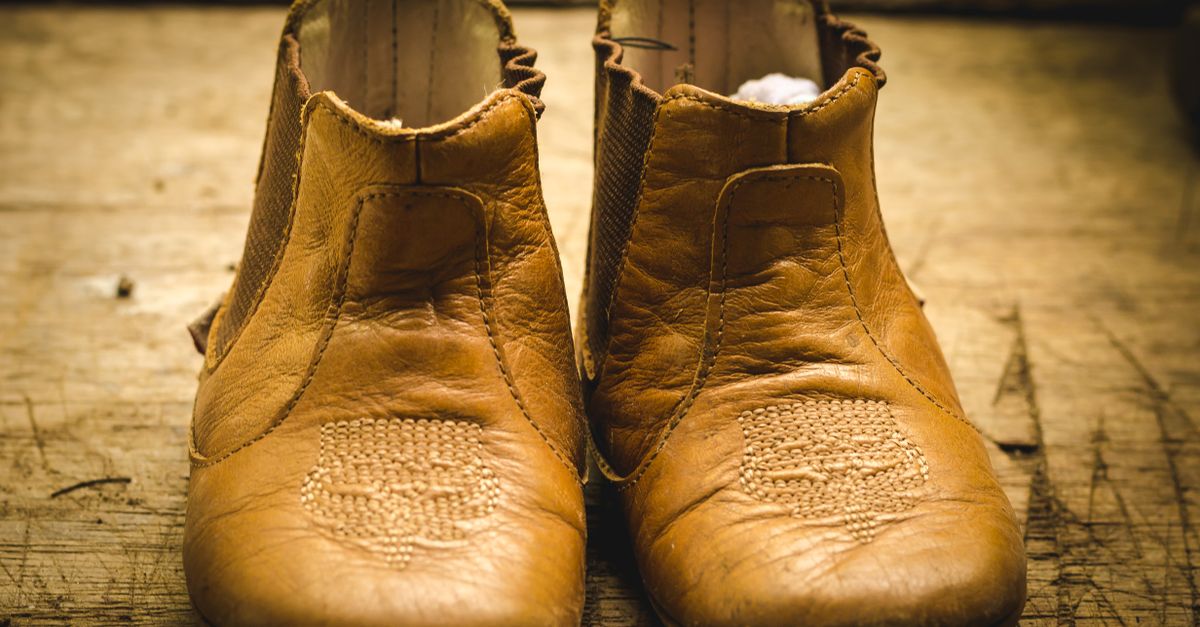
A boot that has been wet for most of a winter rarely fails at the upper. The leather or synthetic skin is still intact, the stitching still holds, and yet water walks straight through within twenty minutes of the first stream crossing. What has gone is the finish: the factory oils in full-grain leather, or the durable water repellent coating on a fabric-and-membrane boot. Both can be brought back at a workbench, and the routine is different for each.
Start by getting the mud off while it is still soft. A stiff nylon brush and lukewarm water do more than any cleaner bottle. Work around the welt and the rand, where grit collects and slowly grinds the leather. Once the surface is clean, dry the boots at room temperature, stuffed with newspaper, well away from a heater or a sunny windowsill. Heat is what cracks leather at the flex point, and once that crease splits, no wax will close it again.
Full-grain leather takes conditioner while it is still slightly damp. Thin coats, worked in with fingers, then left to sit. Nubuck and suede want a brush and a spray rather than a wax, because wax flattens the nap and traps grit. Fabric-and-membrane boots need a water-based spray or cream, applied in two light passes with a sponge, never a single soaking coat. The membrane inside does not need treating; the face fabric does, or it wets out and the boot feels cold and heavy even when it is technically dry.
The honest limit: if the sole is worn through at the heel or the rand has separated from the upper, more wax will not help. That boot needs a resole, and the midsole is the thing to check before deciding.