More from the bench

Crews usually arrive with the same three failures: a strap that let go under load, a shell that wets out along a seam, and a zip that skips in the dark. These notes go deeper on each one, with the parts, the tools and what actually held up afterwards.

All field notes

Strap repair

Stitching a Torn Pack Strap Without a Machine

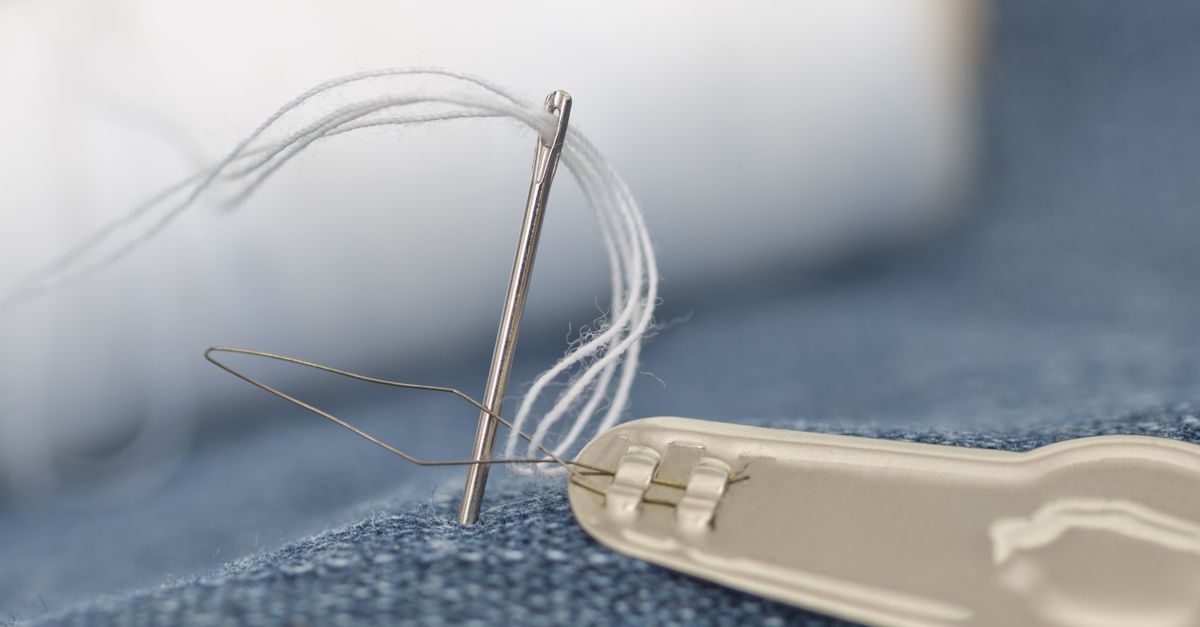
A two-needle saddle stitch at the webbing-to-body junction, backed with 25 mm nylon. Covers needle gauge, waxed thread and the locking knot that sits flat under a loaded shoulder.

Read the guide
Shell repair

Patching a 3-Layer Shell with Heat Tape

Heat tape only holds if the temperature and pressure are right. This one walks through cleaning the area, rounding the corners and testing the bond with a slow pull before a wet ridge.

Read the guide

Zip and stove

Replacing a Tent Zip Slider That Has Started to Skip

A skipping zip is usually a worn slider, not a dead coil. Measure the gauge, match the size, fit a new slider in twenty minutes, and reinforce the ends so it stays on the track.

More on zips and stoves

What a shared club kit actually needs from a repair

A club pack gets dragged through more weekends than any personal one. Straps are pulled by whoever grabs it first, stoves get knocked off a bench, tent zips are forced shut in the dark. The notes here are written for that kind of wear, so a crew can look at a failure, name the part and decide what is worth fixing before the next trip out.

OTR Groups: audience 2
  • Parts named, not guessed

    Every note lists the webbing width, thread type, slider gauge or O-ring size, so one person can buy the right part from a local shop and hand it to whoever runs the bench.

  • Fixes that survive a group trip

    A patch that holds for one afternoon is no use on shared gear. The guides focus on repairs that stay put through repeated packing, hauling and folding by different hands.

  • Honest calls on retiring gear

    Some failures are not worth stitching. The notes say plainly when a strap, coil or midsole is past saving, so a club can pull an item from rotation instead of patching it again.

  • Bench work, not trail work

    Each routine is written to be done at a table with basic hand tools, then checked before the kit goes back into storage between weekends.

  • A pre-trip check routine

    A short pass over zips, seals and anchor points before the kit leaves the shed catches most failures early, when there is still time to fix them properly.

  • Teardowns from other crews

    Readers send in their own repair jobs, and the ones that show a real failure get written up in full, so a club can compare its own damage against a documented fix.

Start with the most common club failure: stitching a torn pack strap, or see how the full set of routines is organised under services.