Field Notes from the Repair Bench

Five guides on the repairs that come up most often: torn straps, delaminated shells, wet boots, skipping tent zips and stoves that burn wrong. Each one is written from the workbench, with the parts, the tools and the honest limits of the fix.

Close-up of a needle and thread passing through heavy fabric on a workbench

Stitching a Torn Pack Strap Without a Machine

A hand-sewn repair that survives a full Drakensberg traverse

A torn shoulder strap usually fails at the webbing-to-body junction, where the load concentrates and the original bar-tack gives way. This guide walks through unpicking the loose threads, backing the tear with a strip of 25 mm nylon webbing, and running a two-needle saddle stitch at roughly six stitches per inch. It covers needle gauge, waxed polyester thread, and how to finish with a locking knot that sits flat under the shoulder. The notes also explain when a strap is too far gone and the load should be moved to a different anchor point instead of stitched.
Hands pressing a patch onto a technical jacket laid flat on a table

Patching a 3-Layer Shell with Heat Tape

Getting a waterproof bond on a laminated jacket without cooking the membrane

Heat tape repairs fail for two reasons: too little heat, so the adhesive never fully wets out, or too much, so the membrane delaminates around the patch. This post covers cleaning the area with isopropyl alcohol, rounding the patch corners, and pressing with a household iron set between 130 and 140 degrees Celsius through a thin cotton cloth. It also explains why 2-layer and 2.5-layer shells need a different approach, and how to test the bond with a slow pull before trusting it on a wet ridge. Notes on which tape brands actually stay stuck after a season of folding are included.

Pair of worn hiking boots on a wooden floor with a brush beside them

Re-Waterproofing Boots After a Wet Cape Winter

Cleaning, conditioning and waxing leather and synthetic uppers

Boots that stay wet for weeks lose their factory finish long before the leather or synthetic upper wears out. This guide separates the routine for full-grain leather, nubuck and synthetic uppers, since each takes a different cleaner and conditioner. It covers brushing out dried mud, drying at room temperature away from direct heat, applying conditioner in thin coats, and finishing with a wax or spray depending on the upper. There is also a short section on when a boot needs resoling rather than re-waterproofing, and how to tell the difference by looking at the midsole and rand.

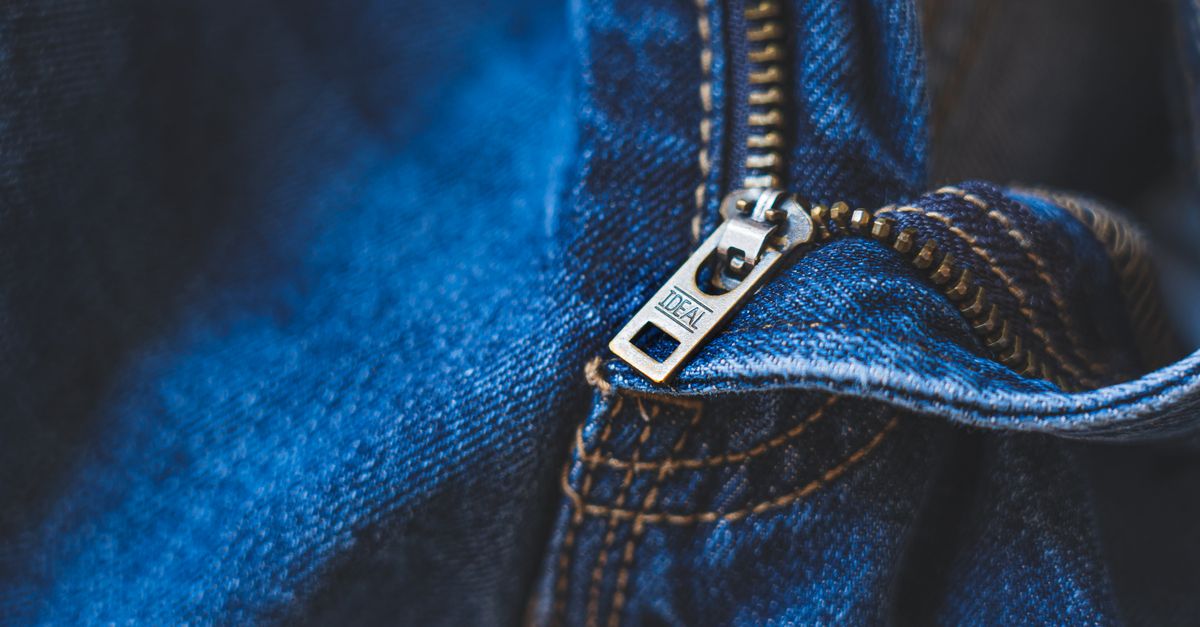
Close-up of a zipper on outdoor fabric with a small metal slider

Replacing a Tent Zip Slider That Has Started to Skip

When a new slider saves the zip and when the whole coil has to go

Tent zips rarely fail along the coil first. The slider wears, the gap between its plates widens, and the teeth stop meshing cleanly. This post explains how to measure the coil gauge, pick a replacement slider in the right size and finish, and fit it without removing the whole zip. It also covers the cases where the coil itself is damaged, when a full zip replacement is the only honest option, and how to reinforce the zip ends so the new slider does not pull off the track. A short checklist for testing the repair before the next trip is included.

Small camping stove on a bench with tools and a cleaning brush nearby

Servicing a Gas Stove Before the Next Trip

Cleaning jets, checking seals and testing the flame pattern

Gas stoves fail quietly: a partially blocked jet, a hardened O-ring, a bent burner head. This guide walks through disassembling a typical canister stove, cleaning the jet with a fine wire or compressed air, inspecting the seals, and reassembling without overtightening the brass fittings. It covers how to read the flame pattern as a diagnostic, when a yellow flame means a dirty jet and when it means a fuel problem, and how to store the stove through a damp winter so the seals do not perish. Notes on which parts are worth carrying as spares are included.

Send in a repair job

If a strap has torn at the webbing junction, a shell patch lifted after a season of folding, or a tent zip keeps skipping, you can pass it on. The notes that come back from readers often turn into full teardown posts, so the more detail you give, the more useful the write-up gets.

Useful things to include: what the item is, where exactly it failed, what you have already tried, and any photos of the damage. A link to images is optional, and you can say whether the repair may be featured in a teardown post.

Where to send it

Go to the contact page